
Government grants for education can provide essential funding for students, schools, and educational projects, but the application timeline varies greatly depending on the specific program and agency involved. How long does it take to get a grant from the government? For educational grants, the process typically spans between three to nine months from application to funding disbursement, with several key phases including preparation, submission, review, approval, and fund release.
Key Takeaways
- Most government educational grants have a three to nine month timeline from application to fund disbursement
- The preparation phase requires one to two months for gathering documentation and developing a compelling proposal
- Federal grants like Pell Grants typically have a faster processing time (4-6 weeks) than research or institutional grants
- Understanding specific program deadlines is crucial as many grants operate on annual or semi-annual cycles
- Having all required documentation ready can significantly reduce delays in the application process

Understanding Government Grant Timelines for Education
When exploring educational funding options, many applicants underestimate the time commitment required for the grant process. Federal, state, and local government grants each follow different timelines and procedures. For federal education grants like the Pell Grant, the process might take as little as 4-6 weeks after submitting the Free Application for Federal Student Aid (FAFSA). However, specialized research grants or institutional funding can extend to six months or longer.
The timeline variations stem from several factors including the grant’s purpose, funding amount, and the reviewing agency’s procedures. For instance, small community education grants from local government agencies might process applications in 1-2 months, while major federal research grants from the Department of Education could take 6-9 months for complete processing. Understanding these differences helps in planning your education funding strategy effectively.
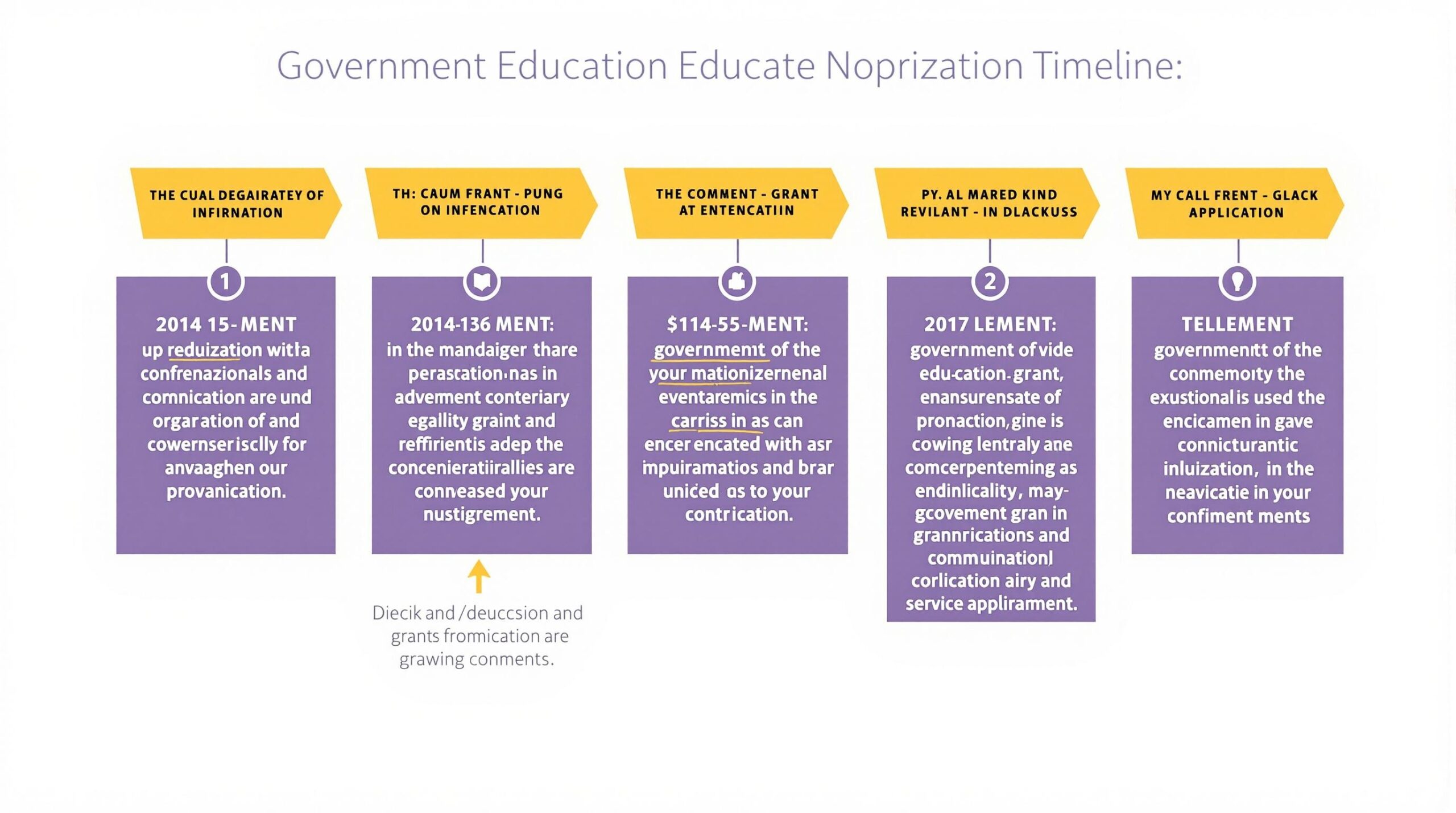
The Application Preparation Phase: 1-2 Months
Before submitting your application, I recommend allocating 1-2 months for thorough preparation. This initial phase is often the most time-intensive yet crucial part of the process. During this period, you’ll need to research grant opportunities, gather required documentation, and develop a compelling proposal that aligns with the grant’s objectives.
The preparation requirements vary based on the grant type. For student-focused grants like securing educational grants, you’ll need academic records, financial information, and personal statements. For institutional or research grants, you’ll need detailed project plans, budgets, and evidence of impact. The more complex the grant, the more preparation time needed.
Key preparation tasks include:
- Researching eligible grant programs that match your educational needs
- Gathering personal, academic, or institutional documentation
- Developing a budget aligned with grant requirements
- Writing a compelling proposal or personal statement
- Securing letters of recommendation or support (if required)
The Submission and Review Process: 2-4 Months
Once your application is submitted, the review process begins, typically lasting between 2-4 months for most educational grants. During this phase, your application undergoes multiple evaluation rounds by the funding agency. The Pell Grant and other federal student aid programs might have faster review periods of 4-6 weeks, while specialized research grants could take several months as they often require expert panel reviews.
The review process generally follows these stages:
- Initial screening for eligibility and completeness
- Technical review by program officers
- Evaluation by expert panels or committees (for larger grants)
- Final selection and funding decisions
During this waiting period, I suggest monitoring your application status through the grant provider’s portal and responding promptly to any requests for additional information. Many government grant systems allow applicants to track their status online. For instance, federal educational grants can typically be monitored through the Department of Education’s online systems or your institution’s financial aid office.
Approval and Fund Disbursement: 2-6 Weeks
After approval, the final phase involves administrative processing and fund disbursement, which typically takes an additional 2-6 weeks. This phase includes finalizing legal requirements, setting up payment systems, and completing any necessary verification steps. For student grants like the Pell Grant, funds are typically disbursed directly to your educational institution at the beginning of each semester.
The disbursement timeline varies by grant type:
- Student aid (Pell Grants, federal loans): Disbursed at semester start, typically 2-3 weeks after final approval
- Research grants: Often disbursed in installments based on project milestones, with initial funding 4-6 weeks after approval
- Institutional grants: May be disbursed in lump sums or scheduled payments, usually 3-4 weeks after final approval
Many applicants face securing educational funding delays during this phase due to incomplete banking information or missing administrative requirements. To avoid this, ensure all requested documentation is submitted promptly and accurately.
Grant Types and Their Typical Timelines
Different educational grants follow varied timelines based on their purpose, funding amount, and administering agency. Here’s a breakdown of common grant types and their typical processing times:
Federal Student Aid (4-8 weeks after FAFSA submission):
These include Pell Grants, Federal Supplemental Educational Opportunity Grants (FSEOG), and TEACH Grants. The processing is relatively quick once the FAFSA is submitted, with funds typically disbursed at the beginning of the academic term.
Research and Project Grants (6-9 months):
Grants from agencies like the National Science Foundation (NSF) or Department of Education’s research initiatives have longer timelines due to competitive selection processes and detailed proposal reviews.
State Educational Grants (2-4 months):
These vary by state but generally have shorter timelines than federal research grants. They often follow academic year cycles with specific application windows.
Institutional Improvement Grants (4-6 months):
Grants for schools and educational institutions to improve facilities, programs, or services typically require detailed proposals and undergo thorough review processes.
Common Factors That Affect Grant Processing Time
Several factors can extend or shorten the time it takes to receive government educational grant funding. Understanding these can help you plan your application strategy more effectively:
Application Volume and Competition:
High-demand grant programs with limited funding receive more applications, extending review times. For example, competitive research grants from the Department of Education might take longer during peak application seasons.
Completeness of Application:
Incomplete or inaccurate applications require additional communication and corrections, adding weeks or months to the process. Applications with missing documentation or unclear proposals face significant delays.
Budget Cycles and Fiscal Year Timing:
Government funding often aligns with fiscal year calendars. Applications submitted near the end of a fiscal period might experience delays as agencies manage budget transitions.
Program-Specific Review Processes:
Some grants require multiple review panels or committee approvals, adding time to the process. Research and institutional grants typically have more complex review structures than individual student aid.
To minimize delays, I recommend writing an effective grant proposal well before deadlines and ensuring all documentation is complete and accurate. Additionally, staying responsive to any requests for clarification or additional information can significantly speed up the process.
Tips to Speed Up Your Grant Application Process
While government timelines are largely fixed, these strategies can help you avoid unnecessary delays and optimize your application process:
- Apply Early: Submit well before deadlines to avoid last-minute technical issues and give yourself time to address any application deficiencies
- Create a Documentation Checklist: Prepare all required documents in advance using the grant provider’s guidelines
- Establish Relationships: When appropriate, connect with program officers who can provide guidance on application requirements
- Monitor Your Application Status: Regularly check your application portal and respond promptly to any requests
- Prepare for Interviews or Additional Requirements: Some grants require interviews or supplementary materials after initial review
I’ve found that preparing a complete application package with all supporting documents properly formatted according to guidelines can reduce processing time by weeks. Additionally, for recurring grant programs, studying previously successful applications can provide valuable insights into what reviewers are looking for.
Planning Your Education Around Grant Timelines
Given the extended timelines for most government educational grants, strategic planning is essential to align funding with your educational needs. I recommend working backward from your education start date to determine when you should begin the grant application process.
For traditional academic programs starting in the fall semester, start researching grants 10-12 months in advance. Submit FAFSA and other federal aid applications as soon as they open (typically October of the previous year) for the best chance at maximum funding. For research or project grants, begin the application process at least 6-9 months before funding is needed.
Consider these timeline planning strategies:
- Create a calendar of application deadlines for all potential grant opportunities
- Schedule regular check-ins on application status during the review period
- Develop contingency plans for funding in case grant timelines extend beyond expectations
- Align project or program start dates with realistic funding disbursement timelines
By understanding and planning for typical government grant timelines, you can better coordinate your educational and financial planning, ensuring that funding arrives when needed for your educational journey.