

Minnesota is home to several philanthropic organizations that provide substantial support for educational initiatives and career advancement programs. These MN foundations offer various grants, scholarships, and funding opportunities designed to help students pursue higher education and professionals develop career skills across diverse fields.
Key Takeaways
- The McKnight Foundation and Bush Foundation are among Minnesota’s largest philanthropic organizations supporting education
- Minnesota-based foundations collectively provide over $100 million annually for educational programs
- Most MN foundations focus on addressing educational inequities in underserved communities
- Applications typically require detailed project proposals and measurable outcomes
- Many foundations offer multi-year funding for sustained educational initiatives
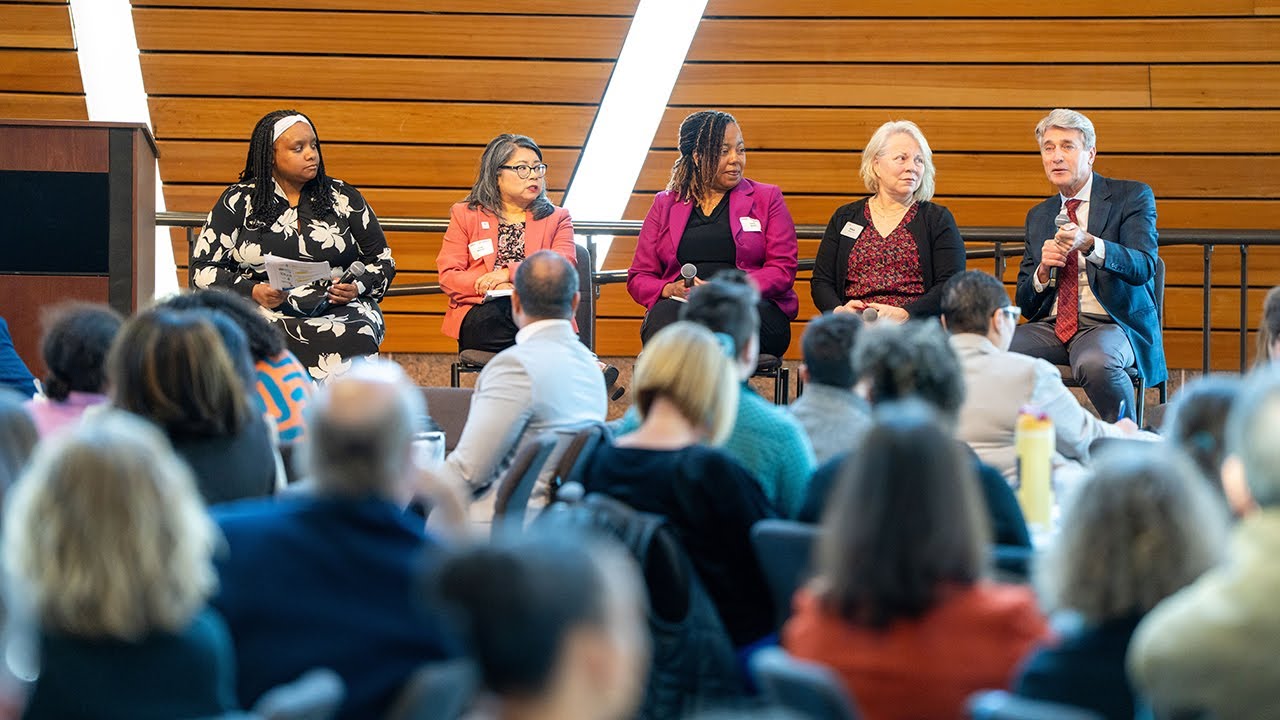
Major Minnesota Foundations Supporting Education
Minnesota boasts a rich landscape of philanthropic foundations committed to advancing educational opportunities and career development. The most influential foundations in this space include organizations with decades-long histories of supporting Minnesota communities. Let’s explore the major players in Minnesota’s educational philanthropy ecosystem.
The McKnight Foundation stands as one of the state’s largest and most established foundations, with education being a core focus area. This foundation provides substantial grants for K-12 education reform, early childhood development, and college readiness programs across Minnesota. Similarly, the Bush Foundation offers significant support through its education initiative, particularly focusing on innovative teaching methods and school leadership development.
Other notable organizations include the Minneapolis Foundation, which manages numerous education-focused funds, and the St. Paul & Minnesota Foundation, which directs millions annually toward educational equity programs.

Types of Educational Grants Available
Minnesota foundations offer a diverse range of grant opportunities tailored to different educational needs and career development stages. These funding options can be categorized into several distinct types to help potential applicants identify the most suitable opportunities.
K-12 program grants support initiatives within elementary and secondary education settings. These often focus on curriculum enhancement, teacher development, and creating equitable learning environments. Higher education grants, meanwhile, typically fund scholarships, research initiatives, and campus improvement projects at colleges and universities throughout Minnesota.
Career development programs receive substantial funding through workforce training grants that bridge education and employment. These programs particularly target sectors with high growth potential in Minnesota’s economy, including healthcare, technology, and manufacturing.
Here are some common types of educational grants available from Minnesota foundations:
- Scholarship funds for underrepresented students
- STEM education initiatives
- Adult literacy and continuing education programs
- Teacher professional development
- Educational technology integration
Application Requirements and Eligibility Criteria
Securing grants from Minnesota foundations requires understanding their specific application processes and eligibility requirements. While each foundation maintains unique criteria, several common elements appear across most application processes.
Most foundations require applicants to be registered 501(c)(3) nonprofit organizations or educational institutions. Individual applicants typically need institutional sponsorship unless applying for specific scholarship programs. Geographic restrictions often apply, with many foundations limiting eligibility to organizations serving Minnesota communities or specific regions within the state.
Application materials generally include detailed project proposals outlining clear objectives, implementation strategies, and evaluation methods. Foundations look for measurable outcomes and demonstrated capacity to successfully complete proposed projects. Many also require budget justifications, organizational financial statements, and evidence of sustainable funding plans beyond the grant period.
Application deadlines vary significantly among foundations, with some operating on quarterly cycles while others have annual submission windows. I recommend checking each foundation’s website for current deadlines and application requirements for educational grants well in advance of planned submissions.
Grant Amounts and Funding Cycles
Minnesota foundations offer educational grants ranging from small seed funding to substantial multi-year commitments. Understanding the typical funding parameters helps applicants develop realistic project proposals and budgets.
Small grants typically range from $5,000 to $25,000 and often support pilot programs, specific events, or limited-duration projects. Medium-sized grants of $25,000 to $100,000 frequently fund comprehensive program implementation or expansion of existing initiatives. For transformative projects, large grants exceeding $100,000 may be available, particularly from major foundations like McKnight and Bush.
Funding cycles generally follow annual or biannual patterns, though some foundations operate quarterly grant reviews. Multi-year funding commitments are increasingly common for programs demonstrating strong outcomes and effective management. Most foundations distribute funds according to project milestones or on a predetermined schedule outlined in grant agreements.
When planning your application timeline, account for the full process from submission to potential funding. Many foundations offering educational grants take three to six months to review applications, conduct site visits, and make final decisions.
Success Stories and Impact
The tangible impact of Minnesota foundation funding can be seen across numerous educational institutions and career development programs throughout the state. These success stories demonstrate the transformative potential of foundation support.
One notable example comes from St. Paul Public Schools, where McKnight Foundation funding helped implement an innovative literacy program that improved reading proficiency rates by 22% among elementary students. In higher education, the Bush Foundation’s investment in teaching fellowships at the University of Minnesota has prepared hundreds of educators for leadership roles in high-need schools.
Career development programs have similarly benefited from foundation support. A Minneapolis-based workforce training initiative funded by multiple local foundations has helped over 500 adults transition to healthcare careers, with 85% of participants securing employment within six months of program completion.
These outcomes highlight how foundation funding creates ripple effects throughout Minnesota communities. By supporting educational innovation and career pathways, these philanthropic organizations contribute significantly to the state’s economic vitality and social wellbeing.
Tips for Successful Grant Applications
Crafting compelling grant applications requires strategic planning and attention to detail. Based on feedback from successful applicants and foundation representatives, I’ve compiled practical advice to enhance your chances of securing funding from Minnesota foundations providing educational grants.
Start by thoroughly researching each foundation’s mission, priorities, and past funding decisions. Align your proposal with the foundation’s strategic objectives and demonstrate how your program addresses specific needs within their focus areas. Tailor each application rather than submitting identical proposals to multiple foundations.
Clear, concise writing with specific goals and measurable outcomes strengthens applications significantly. Avoid vague language and generalities in favor of concrete details about implementation plans, timeline, and evaluation methods. Quantify your expected impact whenever possible.
Here are key elements to include in strong applications:
- Evidence of community need supported by relevant data
- Detailed budget with justified expenses
- Sustainability plan for continuing work beyond the grant period
- Letters of support from key stakeholders or partner organizations
- Qualifications of project leaders and organizational capacity
Consider reaching out to foundation program officers before submitting formal applications. Many welcome preliminary conversations to discuss project ideas and provide guidance on alignment with funding priorities.
Upcoming Opportunities and Deadlines
Staying informed about application windows and deadlines is crucial for organizations seeking educational funding from Minnesota foundations. Several significant opportunities are approaching in the coming months.
The McKnight Foundation typically opens its education grant cycle in early spring, with preliminary applications due in March and full proposals by May for those invited to continue. The Bush Foundation’s Educational Leadership initiative accepts applications year-round but reviews submissions quarterly, with the next review period beginning in July.
For career development funding, the Minnesota State Foundation consortium—which includes contributions from multiple corporate foundations—will open its workforce training grant cycle in September. This opportunity specifically targets programs bridging educational institutions and industry partners.
Smaller family foundations throughout Minnesota often operate on calendar-year cycles with deadlines in October and November for funding in the following year. Many of these foundations focus on specific geographic regions within the state or particular educational niches.
I recommend creating a grant calendar to track these opportunities and allow sufficient time for application development. Most foundations require 4-8 weeks of preparation time for competitive applications, particularly for first-time applicants.
Conclusion
Minnesota’s philanthropic landscape offers rich opportunities for educational advancement and career development through its diverse foundation network. From major players like the McKnight and Bush Foundations to specialized family foundations, these organizations collectively invest millions annually in strengthening Minnesota’s educational systems and workforce.
Successfully navigating this funding ecosystem requires understanding each foundation’s priorities, preparing thorough applications, and demonstrating clear alignment between your programs and funders’ objectives. By carefully researching opportunities and crafting targeted proposals, educational organizations can access vital resources to support their missions.
The impact of these foundation investments extends far beyond individual grant recipients. Through strategic philanthropy, MN foundations help build stronger educational pathways, create economic opportunities, and foster more equitable communities throughout the state. For organizations committed to educational excellence and career development, these foundations represent not just funding sources but powerful partners in creating lasting change.