

Minneapolis houses numerous charitable foundations that are actively supporting educational advancement and career development through generous grant programs. These foundations in Minneapolis have established themselves as key pillars in transforming the educational landscape by providing critical financial support to students, educators, and institutions alike.
Key Takeaways
- The Minneapolis Foundation manages over $900 million in assets and provides substantial educational funding opportunities
- Bush Foundation offers Education Innovation grants up to $500,000 for transformative educational projects
- McKnight Foundation allocated $96 million in 2022 with significant portions dedicated to education initiatives
- Blandin Foundation specifically focuses on rural education development with grants ranging from $1,000 to $75,000
- General Mills Foundation has contributed over $2 billion to various causes including educational programming
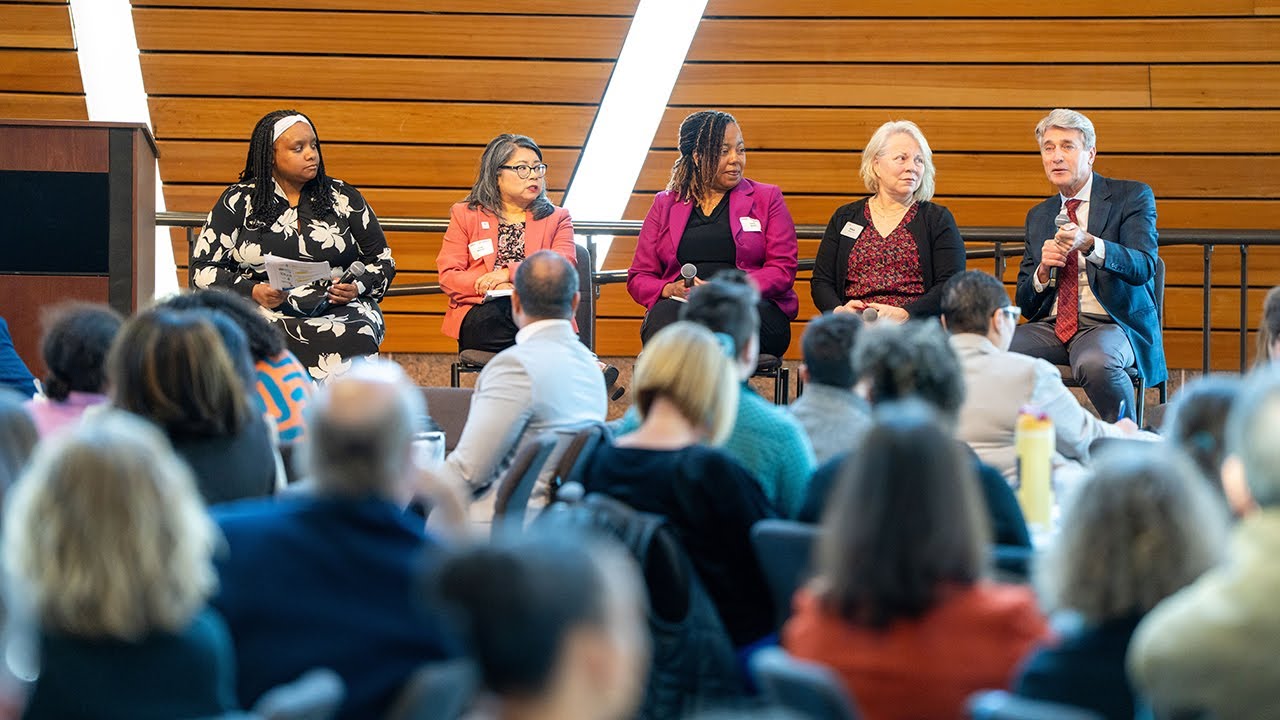
Major Educational Funding Foundations in Minneapolis
Minneapolis has become a hub for philanthropic educational support, with several major foundations dedicating significant resources to help students and educational institutions thrive. These organizations not only provide financial backing but also strategic guidance to maximize educational outcomes across Minnesota.
The Minneapolis Foundation stands out as one of the oldest community foundations in the country, established in 1915. With assets exceeding $900 million, this foundation has developed specialized educational grant programs focusing on equity in education, innovation in teaching methodologies, and access to higher education for underrepresented groups.
Another key player is the Bush Foundation, which offers transformative funding through its Education Innovation grants. These competitive grants provide up to $500,000 for groundbreaking projects that aim to reshape educational systems and improve learning outcomes across the region.
Grant Amounts and Focus Areas
Each foundation in Minneapolis has distinct priorities and funding capacities when it comes to educational support. Understanding these differences can help potential applicants target their proposals effectively.
The McKnight Foundation, one of the largest in Minnesota, allocated approximately $96 million in grants during 2022. A substantial portion of this funding went toward education initiatives, with particular emphasis on early childhood education and career opportunity development for youth from disadvantaged backgrounds.
The Blandin Foundation takes a more targeted approach, focusing specifically on rural education development. Their grants typically range from $1,000 to $75,000 and support educational initiatives that strengthen rural communities throughout Minnesota.
For those interested in K-12 education innovation, the General Mills Foundation has contributed over $2 billion throughout its history, with education being a primary focus area. Their Youth Nutrition and Fitness grants typically range from $10,000 to $50,000 per project.
Application Processes and Deadlines
Successfully securing funding requires understanding the unique application requirements of each foundation. Most Minneapolis-based foundations have moved to online application systems, though their processes vary considerably.
The Minneapolis Foundation operates through a competitive grant cycle with specific deadlines throughout the year. Their education grants typically have application windows in February and September, with decisions announced within 8-12 weeks.
The Bush Foundation has adopted a more flexible approach with their Education Innovation program, accepting applications on a rolling basis. However, they implement a rigorous multi-stage review process that can take up to six months from initial submission to funding decision.
Here are the typical application components required by most foundations:
- Project description and alignment with foundation priorities
- Detailed budget and timeline
- Expected outcomes and evaluation metrics
- Organizational background and capacity
- Letters of support or partnership agreements
Success Stories and Impact
The real value of these foundations becomes evident through the transformative projects they’ve funded. In recent years, several notable initiatives have demonstrated significant impact across Minneapolis and beyond.
One remarkable example comes from the Minneapolis Foundation’s education equity initiative, which provided $1.2 million to develop innovative career development programs in underserved Minneapolis schools. This initiative resulted in a 35% increase in college enrollment rates among participating students.
The McKnight Foundation’s support for early childhood education has similarly shown impressive results. Their $5 million investment in pre-K programs across Minneapolis has helped narrow achievement gaps and improve kindergarten readiness scores by 42% in target communities.
Through the Bush Foundation’s Education Innovation program, several Minneapolis charter schools received funding to implement technology-integrated learning environments. These schools subsequently reported a 28% improvement in student engagement metrics and significant gains in standardized test scores.
Eligibility Requirements and Restrictions
Understanding eligibility criteria is crucial before investing time in the application process. While each foundation has specific requirements, some common eligibility patterns emerge across Minneapolis-based funding organizations.
Most foundations require applicants to have 501(c)(3) nonprofit status or a fiscal sponsor with such status. Educational institutions, including public schools, charter schools, and higher education facilities, typically qualify across most foundation programs.
Geographic restrictions are common, with many foundations prioritizing initiatives that directly benefit Minneapolis or Minnesota communities. The Blandin Foundation, for instance, exclusively funds rural Minnesota projects, while the Minneapolis Foundation focuses primarily on the seven-county Twin Cities metropolitan area.
Some common restrictions include:
- Limitations on funding for general operating expenses
- Restrictions on religious or politically-oriented educational programming
- Prohibitions against funding individual scholarships (with some exceptions)
- Caps on indirect costs or administrative overhead
Tips for Successful Grant Applications
Securing foundation funding in Minneapolis is competitive, but several strategies can significantly improve your chances of success. Based on feedback from foundation program officers, these approaches have proven effective.
First, alignment with foundation priorities is crucial. Take time to thoroughly research each foundation’s strategic plan, recent funding patterns, and stated focus areas. Applications that clearly demonstrate this alignment consistently receive preferential consideration.
Building relationships before applying is another valuable approach. Many Minneapolis foundations welcome pre-application consultations or letters of inquiry. These preliminary conversations can provide invaluable guidance on shaping your proposal to match foundation interests.
Data-driven proposals stand out in competitive review processes. Include clear metrics for both the problem you’re addressing and your expected outcomes. Foundations are increasingly focused on funding opportunities that demonstrate measurable impact.
Finally, consider collaboration with other organizations. Joint proposals that leverage complementary strengths often receive favorable consideration, particularly when they demonstrate potential for systemic change rather than isolated impact.
Additional Resources and Support
Beyond the major foundations highlighted above, Minneapolis offers numerous resources to help educational organizations navigate the funding landscape. These supplementary supports can enhance your grant-seeking success.
The Minnesota Council of Nonprofits provides grant-seeking workshops and a comprehensive database of foundation opportunities. Their annual conference includes dedicated sessions on education funding strategies with participation from major foundation representatives.
For first-time applicants, the Foundation Center’s Minneapolis library offers free access to foundation directories, sample successful proposals, and guidance materials. Their Funding Information Network provides valuable insights into foundation priorities and application trends.
Propel Nonprofits (formerly Nonprofits Assistance Fund) offers pre-application review services and financial management support to ensure your organization is grant-ready. Their consultants have extensive experience with Minneapolis foundation requirements and can provide targeted feedback to strengthen proposals.
These resources, combined with the significant funding available through Minneapolis-based foundations, create a robust ecosystem of support for educational advancement and career development initiatives throughout the region.